
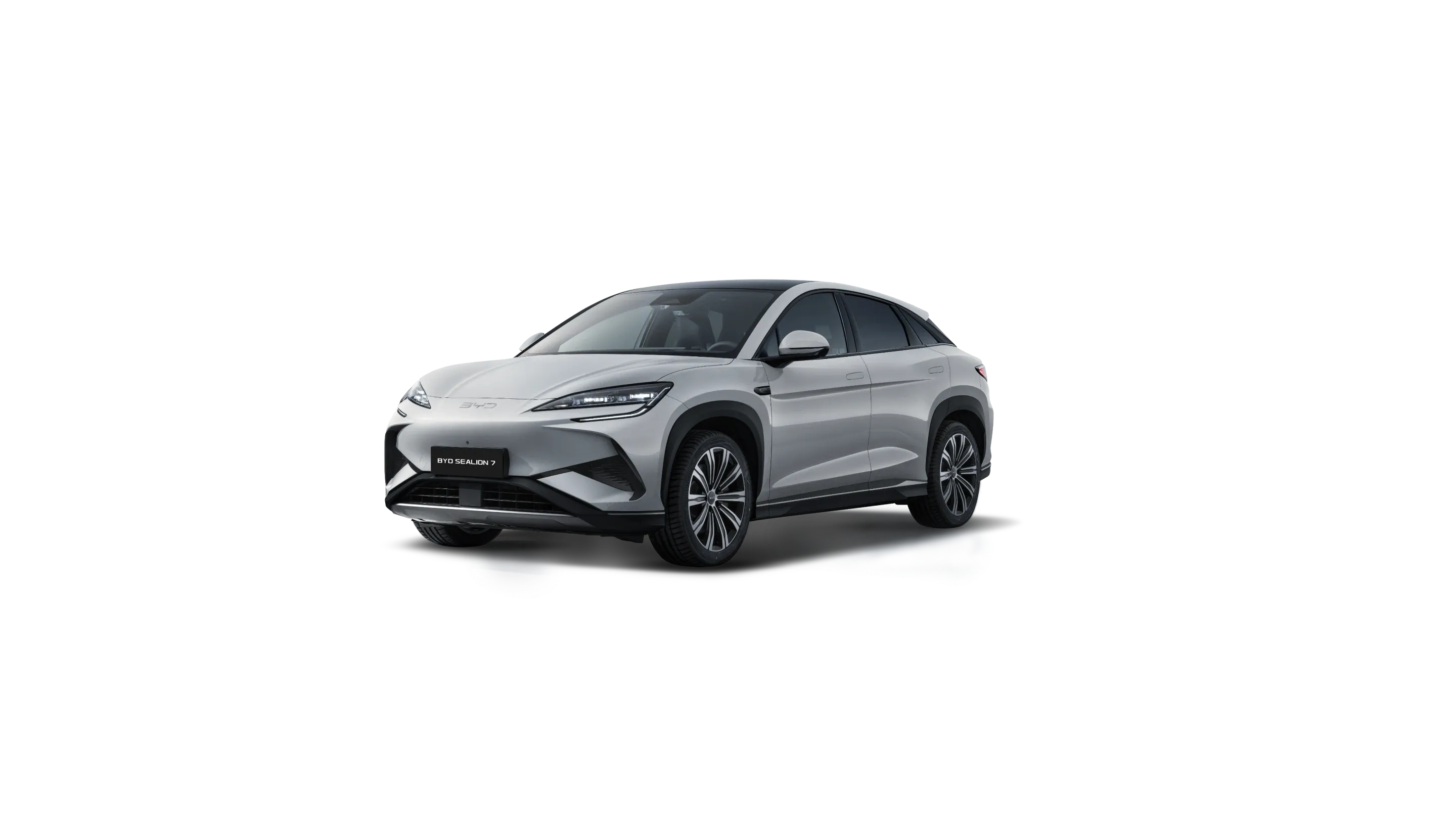
Measure the route into the space
Record the entrance width, turns, ramp transitions and the narrowest point on the approach, not only the final bay. Use the vehicle's applicable dimensions and actual mirror configuration as a starting point, then verify practical clearance in a controlled setting. The version guide helps establish the selected vehicle. Avoid borrowing dimensions from another market variant or from a model with a similar name. If the approach is unusually tight or steep, obtain a competent assessment rather than planning to discover the limit during delivery.
Include doors and normal passengers
Park in the intended position and assess how the driver and passengers enter and exit. Consider walls, columns and the adjacent car when it is actually present. Test the normal front-seat positions and any child-restraint loading routine without putting people in an unsafe squeeze. The family and cargo guide addresses the wider cabin arrangement. A bay may hold the vehicle yet require every passenger to get out beforehand; that may be acceptable to one household and impractical to another. Record the limitation honestly rather than calling any static fit successful.
Check tailgate movement and loading
Confirm the fitted tailgate arrangement and follow its operating instructions when assessing opening clearance. Include ceiling beams, a garage door in its normal open position and items stored overhead. Do not deliberately run powered equipment into an obstruction to test its response. If an adjustable opening function is supported, use the documented method and confirm the remaining loading access. A lower opening height may avoid one obstacle while making luggage handling awkward. Test representative bags or equipment rather than relying on a photograph of the empty boot.
Assess camera images as assistance, not measurement
In a safe stationary or controlled low-speed assessment, check that the fitted camera views are clear and correspond sensibly to the surroundings. Note damaged lenses, unusual image joins or warnings without diagnosing them remotely. Camera perspective and display overlays should not be treated as precise physical clearance measurements. If a camera or body component was repaired, consult the camera and sensor calibration review. Do not create hazardous scenarios to test a warning. The driver remains responsible for observation and for stopping when the available view is inadequate.
Plan charging without blocking access
Identify the inlet position and proposed cable route while the car is parked normally. Leave room to connect, disconnect and store equipment without trapping the cable or blocking a walkway. The home charging plan should use these measurements, not an idealised empty-garage layout. Consider whether another household vehicle changes the cable reach or parking order. A charging installation that works only with the Sealion 7 parked diagonally may conflict with door access. Resolve those compromises before installing hardware or agreeing that the garage is suitable.
Consider ramps, surfaces and accessories
A steep transition, damaged surface or added accessory can change practical access even when nominal dimensions look acceptable. Have uncertain clearance assessed without scraping the vehicle as a test. Do not assume that reversing, folding mirrors or changing load always solves the issue. Check permitted accessory dimensions and loading separately, and account for anything routinely carried outside the vehicle. The condition inspection should record existing lower-body damage so later contact is not confused with pre-purchase wear. Avoid making unsupported claims about a guaranteed approach angle or clearance across every version.
Make the parking decision repeatable
Document the tested parking position, access limitations and any equipment settings that matter. Have the normal driver assess the arrangement rather than relying only on an experienced seller's manoeuvre. Consider darkness, rain and ordinary household clutter without recreating dangerous conditions. Recheck after accessories, charging equipment or the parking layout change. If daily use requires a difficult sequence, compare that inconvenience with another available space before purchase. A good fit is one the household can repeat calmly and safely, not a single tightly managed demonstration that leaves no room for ordinary variation.
Buyer checklist
- Measure the approach as well as the final bay.
- Test doors, passengers and tailgate access.
- Treat camera views as aids, not clearance guarantees.
- Integrate the actual charging cable route.
Questions and answers
Are published width and length enough to confirm garage fit?
No. Include mirrors, access turns, door opening, tailgate movement and the daily parking routine. Verify the actual arrangement in a controlled, safe assessment.
Can the camera display guarantee clearance from a wall?
No. Perspective and overlays are not a substitute for direct observation and physical clearance assessment. Stop if the available view is inadequate.
Reference information
Use the applicable market and year documentation for equipment and operating limits. The references have their own market and publication scope; they do not establish the condition, fitted equipment or destination approval of an individual vehicle.
Continue with the passenger and cargo guide, or send your vehicle requirements.