
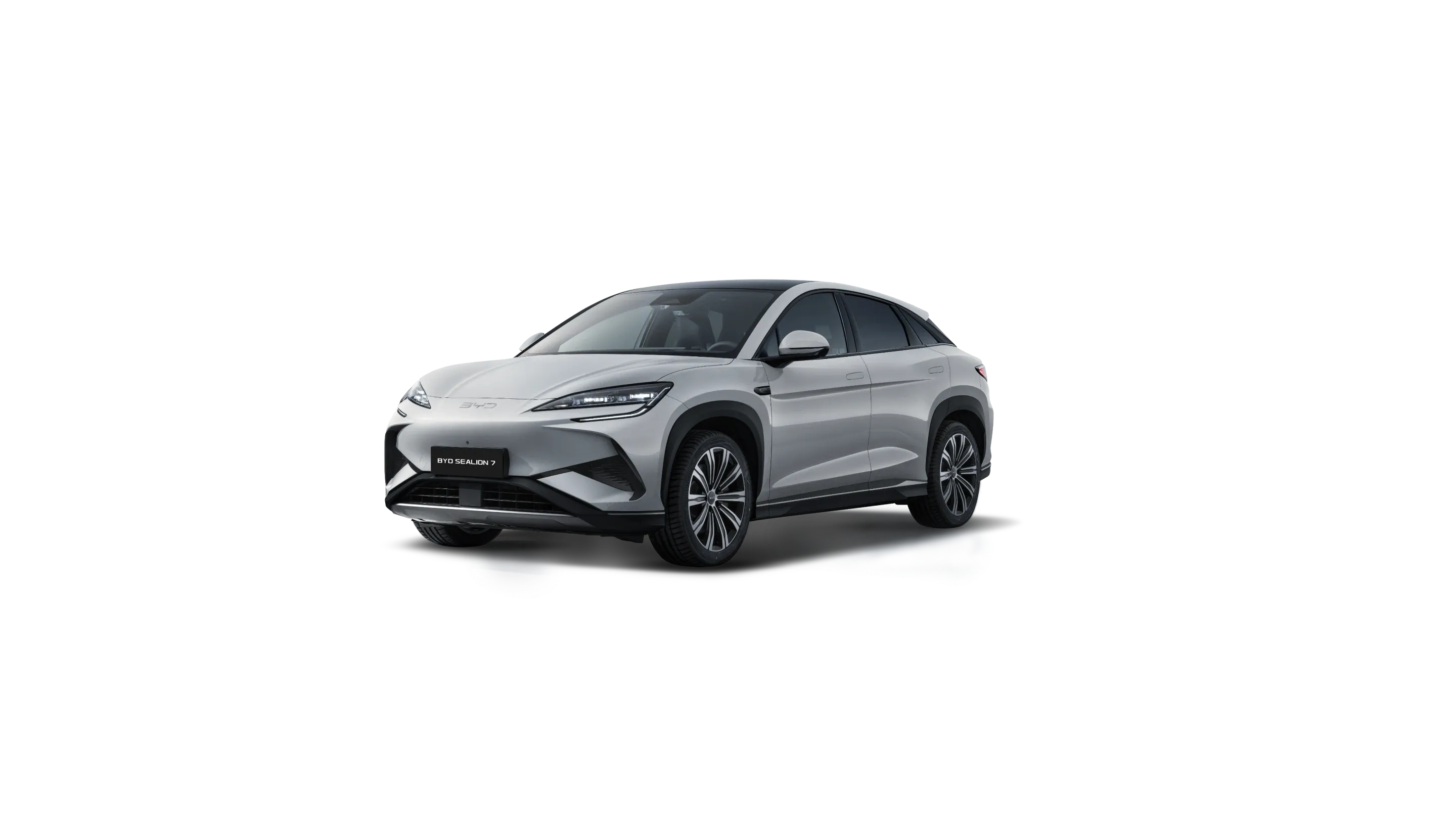
Start with market and grade
Create one line containing country, model year, original grade, drive layout, production date and VIN. European Comfort, Design AWD and Excellence AWD labels cannot be transferred to China, Singapore, Indonesia or another market without an official matching record. A seller-written “long range” title does not identify battery capacity.
Connect capacity to the complete configuration
BYD European specifications have paired 82.5 kWh with both a rear-drive Comfort and an all-wheel-drive Design version, while the 91.3 kWh battery appears in Excellence AWD. Capacity therefore does not independently prove motor count, wheel size, equipment or charging rate. Record every field from the same source and then confirm it on the car.
Keep voltage and charging distinctions visible
Official European documents list different nominal voltage and DC charging figures across the two battery families. These are useful consistency checks, not permission to infer a pack from a brief charging peak. Read the battery and vehicle configuration data and photograph the charging inlet before accepting a version description.
Compare range on one test basis
Use WLTP against WLTP or another clearly named common procedure, then model the buyer’s route. The larger pack is not automatically the most efficient version because drive layout, wheels, mass, speed, climate and thermal state also affect consumption. A brochure advantage can narrow or widen in the destination.
Inspect capacity as identity, health separately
Confirming 91.3 kWh does not prove that a used pack delivers its expected energy. Keep factory capacity, usable-energy evidence, cell balance, temperatures, isolation status and charge behaviour in separate fields. A correct battery label can coexist with degradation, repairs, faults or an inconclusive test.
Choose the delivered ownership package
Price the verified battery with drive layout, tyres, charging equipment, service access and route reserve. The larger pack may support a longer leg and higher documented charging rate in a specific version, but it can also be tied to heavier AWD hardware and a higher purchase cost. Buy the configuration that closes the actual route and support questions.
Energy file close-out
Close this specific file by placing official market specification dated for the candidate year, VIN-linked battery and drive configuration and battery label and diagnostic identifiers in one dated candidate record. The reviewer should be able to confirm that market and grade are named beside capacity and that battery size is not used to infer drive alone. Name the person or provider responsible for every unresolved point, add a realistic cost or consequence, and state what evidence will change the decision. If the VIN, version, condition or destination basis changes, reopen this file instead of carrying the previous conclusion into a different purchase.
Decision boundary
A useful decision records what is verified, what remains seller-stated and what was not tested. Attach a consequence and owner to each open item. Do not let a broad assurance replace a missing VIN record, charge test, condition image or destination opinion. Acceptance should be explicit: proceed, proceed with a priced condition, obtain more evidence, or reject. A replacement VIN never inherits an earlier acceptance.
Document discipline
Give images, scans, diagnostics and quotations a date, source and vehicle identity. Preserve originals before translation or editing. If custody, software, repair, route or candidate changes, identify which conclusions expire and repeat the affected checks instead of silently carrying them forward. Before inland release, read the same identity, propulsion, value and parties across contract, invoice, inspection and shipping drafts. Registration and customs remain separate destination checks.