
Start with the original vehicle record
Photograph the VIN at the body stamping, windscreen and production label, then compare every character with registration, invoice and diagnostic records. Record the Chinese model description exactly as issued. An English advert is a search aid, not a replacement legal identity. If the seller cannot connect the displayed car to the paperwork in one continuous dated record, keep the candidate unverified.
Separate the name from the specification
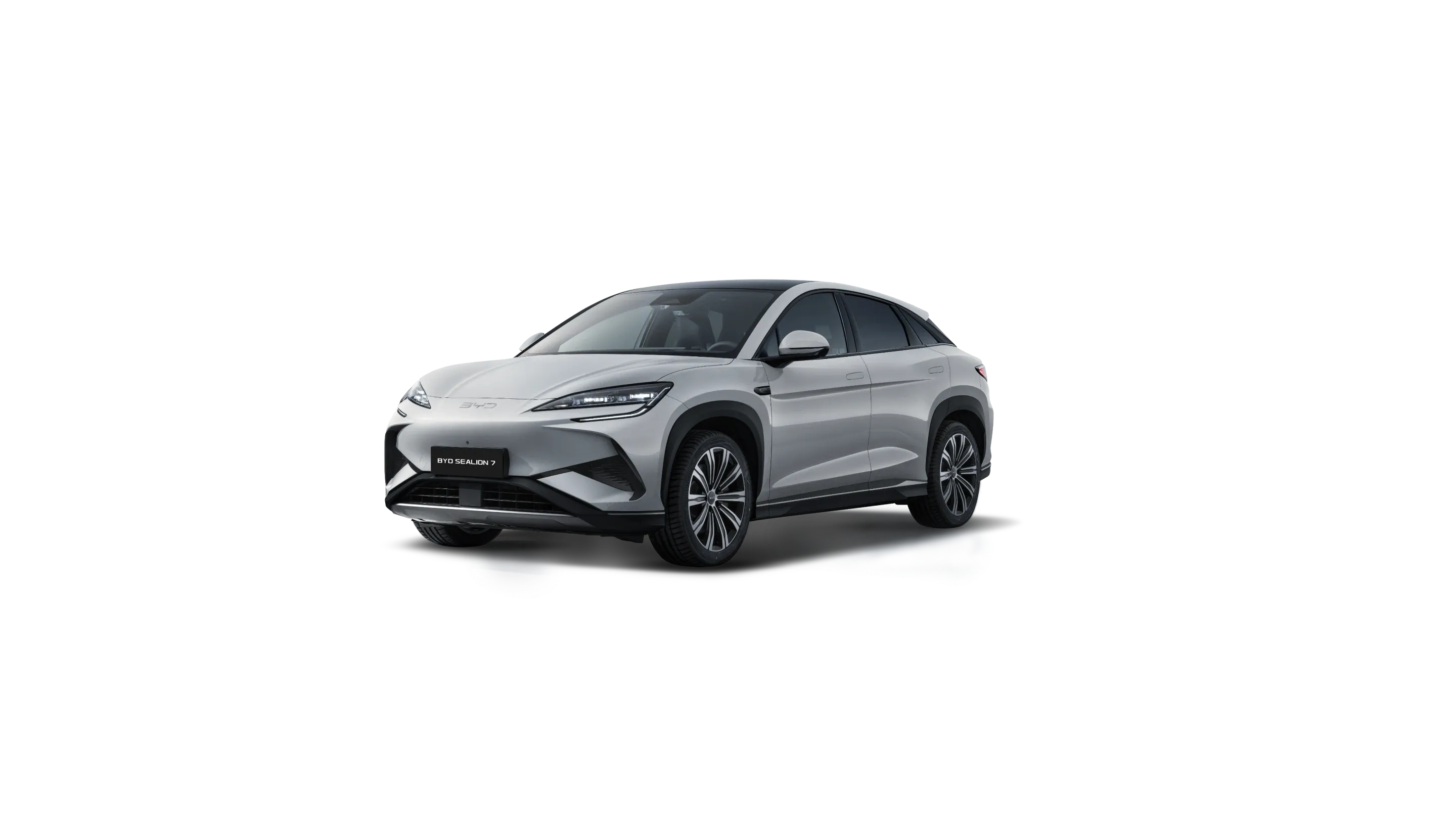
BYD has marketed the vehicle internationally as SEALION 7 and has called the China model 海狮07EV. Battery capacity, driven axles, charging inlet, software, wheel sizes and driver-assistance equipment can still differ by market and production period. Attach specifications to a market document and candidate, never merely to the badge.
Use dimensions as a consistency check
Official European material lists 4,830 mm length, 1,925 mm width, 1,620 mm height and a 2,930 mm wheelbase. These figures help detect a wrong model or mistranslated listing, but measurement cannot establish trim. Verify physical identity first and treat any mismatch as a reason to reopen the file.
Keep replacement cars separate
A seller may replace a sold or unavailable car with a visually similar candidate. Start a new evidence folder for the new VIN; do not transfer inspection, battery, paint or equipment conclusions. A reused quotation should show which commercial lines changed and which remain valid.
Align export descriptions
Use one consistent vehicle description across contract, invoice, customs, carrier booking, insurance and destination review. Include pure-electric propulsion and the correct VIN. Do not simplify 海狮07EV to another familiar BYD model to speed paperwork; that can create classification or registration problems.
Close identity before valuation
Price comparison only becomes meaningful after model, version, production timing and condition belong to the same car. Mark seller statements separately from verified records and give unresolved identity points a deadline. A low price is not actionable if the buyer cannot prove what is being purchased.
Identity file close-out
Close this specific file by placing VIN and production-label photographs, original Chinese registration or factory record and market-specific specification sheet in one dated candidate record. The reviewer should be able to confirm that all vin locations match and that 海狮07ev or sealion 7 naming is preserved. Name the person or provider responsible for every unresolved point, add a realistic cost or consequence, and state what evidence will change the decision. If the VIN, version, condition or destination basis changes, reopen this file instead of carrying the previous conclusion into a different purchase.
Decision boundary
A useful decision records what is verified, what remains seller-stated and what was not tested. Attach a consequence and owner to each open item. Do not let a broad assurance replace a missing VIN record, charge test, condition image or destination opinion. Acceptance should be explicit: proceed, proceed with a priced condition, obtain more evidence, or reject. A replacement VIN never inherits an earlier acceptance.
Document discipline
Give images, scans, diagnostics and quotations a date, source and vehicle identity. Preserve originals before translation or editing. If custody, software, repair, route or candidate changes, identify which conclusions expire and repeat the affected checks instead of silently carrying them forward. Before inland release, read the same identity, propulsion, value and parties across contract, invoice, inspection and shipping drafts. Registration and customs remain separate destination checks.